


Autism Communication and Coordinated Therapy Support in Nova Scotia
Autistic people may communicate, process information, regulate or participate in daily activities in ways that differ from the expectations of the people and environments around them.
Our therapists provide respectful, neurodivergent-affirming support shaped by each person’s communication preferences, strengths and goals. When needs overlap, the appropriate professionals can collaborate to create a more connected plan.

No referral needed · Clinic, home, or online · EN / FR / AR / ASL

When your way of communicating deserves to be understood and supported
An autistic child, teen or adult may communicate through speech, gestures, movement, behaviour, writing or augmentative and alternative communication. They may need more time to process information, experience communication breakdowns, or find that other people and environments do not recognize or accommodate their way of communicating.
Affirming support respects each person’s communication, autonomy, sensory needs and identity. An assessment can help identify strengths, preferences and meaningful goals, while determining which professional, or combination of professionals, may provide the most appropriate support.

You may want affirming, coordinated support if you or your child…

Experiences frequent communication breakdowns with other people
Needs support communicating wants, needs, choices or boundaries
Would benefit from access to AAC or another communication method
Finds that sensory or environmental demands limit participation
Needs communication partners to better understand and support their preferences

Has goals that may benefit from collaboration between appropriate professionals
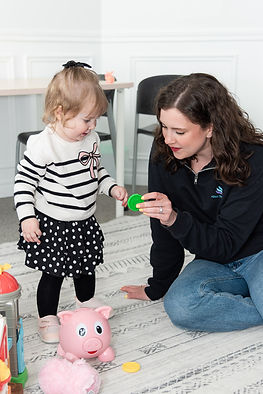
What an affirming communication and support assessment may include:
Learn about the person and their goals
We discuss strengths, interests, communication preferences, sensory needs, routines, environments and goals identified by the person and their supporters.
Understand communication and participation
We explore how the person communicates, understands information, expresses choices and boundaries, and participates in meaningful activities.
Respectful observations, interviews and selected tools may help identify communication access, environmental barriers and support needs.
Create a Practical Plan
We explain our findings and recommend accommodations, communication supports, therapy goals or collaboration with another appropriate professional.
Every assessment is personalized. Your child may not require every component, and activities will be selected based on their age, needs, comfort and goals.
How we can help
Communication access- Supporting reliable ways to communicate needs, ideas, choices, feelings and boundaries through speech, gestures, writing, AAC or other methods.
Understanding and processing- Finding respectful ways to make information, conversations, instructions and environments easier to understand and navigate.
Self-advocacy- Supporting the person to communicate preferences, request accommodations, decline activities and express when something is uncomfortable.
AAC support- Assessing and supporting augmentative and alternative communication without requiring someone to demonstrate readiness or abandon speech.
Everyday participation- Identifying communication and environmental supports for home, school, work, relationships and community activities.
Coordinated care- Connecting goals across the appropriate disciplines when communication, sensory, behavioural or daily-living needs overlap.
Support is individualized and neurodivergent-affirming. We do not aim to suppress harmless autistic traits, enforce eye contact or make someone appear less autistic. We focus on autonomy, communication access, safety, self-understanding and meaningful participation.
Support from the right professional or a coordinated team
Autism support is provided by the professional whose training and scope best match the person’s goals. A Speech-Language Pathologist may support communication and AAC, an Occupational Therapist may address sensory needs and daily participation, and a Behaviour Therapist may help understand behaviour and develop practical, affirming supports.
When goals overlap, the appropriate Allied Therapy professionals may collaborate to reduce disconnected plans and support consistency across environments. Care remains guided by the autistic person’s communication preferences, autonomy, strengths and priorities.
An autistic person will not automatically require multiple services. We recommend coordinated care only when it is relevant, wanted and likely to support the person’s meaningful goals.
What progress may look like
- * You or your child has reliable ways to communicate needs, choices, ideas and boundaries
* Communication partners better understand and respond to individual communication preferences
* Environments and activities provide more appropriate support and accommodation
* Strategies are more consistent across home, school, work and community settings
* You or your child participates more fully in personally meaningful activities and relationships
Progress looks different for every autistic person.
Together, we will identify affirming goals based on the person’s strengths, communication preferences, autonomy and priorities.
Related Allied Therapy services
AAC Assessment
Explore speech-generating devices, communication applications and other ways to support reliable communication access.
Occupational Therapy
Behaviour Therapy
Explore support for sensory needs, daily routines, motor skills, executive functioning and meaningful participation.
Explore individualized support for understanding behaviour, developing practical skills and reducing barriers to participation.
Does my autistic child need speech therapy?
Every autistic child communicates differently. Some children benefit from support with spoken language, while others may benefit from social communication strategies, Alternative and Augmentative Communication (AAC), or building everyday communication skills. Therapy is individualized to support each child's strengths, goals, and preferred ways of communicating.
How can occupational therapy and speech therapy work together?
Communication, sensory processing, play, emotional regulation, and daily activities are often closely connected. Our speech-language pathologists and occupational therapists work together to develop coordinated strategies that support the whole child, reducing the need for families to coordinate multiple providers independently.
Do you support AAC and alternative communication?
Yes. We provide comprehensive Alternative and Augmentative Communication (AAC) assessments and support for children and adults who benefit from additional ways to communicate. AAC may include communication boards, picture systems, speech-generating devices, or other tools that help individuals express themselves effectively.
Do you try to stop autistic behaviours like stimming?
No. Our practice is neurodivergent-affirming. We recognize that behaviours such as stimming often serve important purposes, including self-regulation and communication. Therapy focuses on supporting meaningful participation, communication, and quality of life rather than encouraging individuals to hide or suppress natural behaviours.
How do I know which therapy my child needs?
Many families aren't sure where to begin and that's completely okay. During the assessment process, we learn about your child's strengths, challenges, and goals before recommending the most appropriate services. If more than one discipline would be helpful, our team collaborates to create a coordinated plan that supports your whole family.
How do I get started with Allied Therapy?
Getting started begins with a conversation. We'll listen to your concerns, answer your questions, and recommend the assessment or service that's the best fit for your child. If more than one area of development could benefit from support, our speech-language pathologists, occupational therapists, behaviour therapists, and other professionals work together to coordinate care. Our goal is to help your family understand your options and move forward with confidence.