
Why Transitions Derail Some Children (And What Actually Helps in Group Care)

Transitions are a constant part of learning environments, but in the spring, they often become harder.
April brings more change than we sometimes realize: more outdoor time, shifting schedules, staffing changes, and upcoming room or program transitions. For some children, these changes show up as big feelings, resistance, or behaviour that feels out of proportion to what’s happening.
In reality, transitions place a heavy load on developing nervous systems especially in busy classrooms or group care settings. This article explores why transitions are often so difficult for young children, and what actually helps educators support them more successfully.
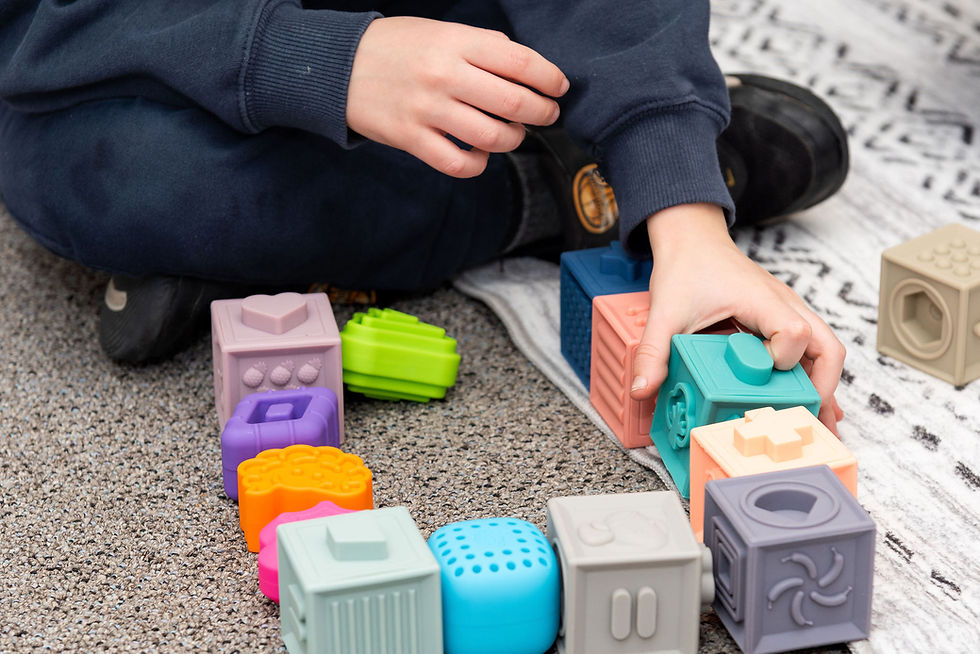
Why Transitions Are Neurological, Not Behavioural
Transitions require children to do a lot of work all at once.
To move successfully from one part of the day to the next, children need to:
stop one activity
shift attention
process new expectations
regulate emotions
re-engage with the group
That’s a significant demand for a young brain.
When children struggle with transitions, it’s often because their nervous system can’t shift gears quickly, not because they’re refusing, being defiant, or trying to control the situation.
A helpful reframe: Transition struggles are about capacity, not compliance.
Understanding this shift can change how educators respond from trying to “get through” the transition to supporting the child through it.
Visual Supports That Actually Help
Visual supports can be powerful tools during transitions but only when they reduce uncertainty rather than add more information.
Effective visual supports:
are used consistently
match the child’s level of understanding
are paired with calm, predictable adult language
stay the same even when days feel hectic
Visual schedules, transition objects, or simple gesture cues help children understand what’s coming next. When children know what to expect, anxiety decreases and resistance often follows.
When it comes to visuals, consistency matters more than complexity.
When Transition Warnings Make Things Worse
For some children, verbal warnings like “five more minutes” are helpful. For others, those same warnings increase stress and anticipation leading to bigger reactions rather than smoother transitions.
If warnings seem to escalate behaviour, it can help to experiment with:
shortening the warning window
pairing warnings with movement (“One more minute, then let’s hop to cleanup.”)
using visual or physical cues instead of verbal reminders
keeping tone neutral and predictable
There’s no single “right” approach. The goal is not perfect transitions. It’s helping that child move from one activity to the next with as much regulation as possible.
Supporting Children Through Bigger Changes
Large transitions, such as moving to a new room, adjusting to new teachers, or changing schedules, often affect children weeks before the change actually happens.
Helpful supports include:
talking about changes using simple, concrete language
using photos or visuals of new spaces or people
maintaining familiar routines where possible
expecting some regression or increased need for support
When behaviour shifts around big transitions, it’s often a sign that a child needs more regulation support, not stricter expectations.
Recognizing this early can prevent escalation and reduce stress for both children and educators.
Supporting Transitions Without Escalation
Transitions are unavoidable, but distress during transitions doesn’t have to be.
When educators view transition difficulties through a nervous-system lens, strategies become more supportive and effective. Small, consistent adjustments can make transitions smoother without disrupting the entire day or adding more to already full schedules.
For educators looking for deeper, practical strategies that work in real classrooms, targeted training can provide clarity and confidence. Check out our monthly virtual training focused on commonly asked questions to our therapy team.
Allied Therapy
Supporting children, families, and the educators who care for them
Speech Therapy • Occupational Therapy • Behaviour Therapy
Nova Scotia | Virtual options available


